Contact us
Clinical-stage regenerative medicine · San Diego

Helping the body regrow its own tissue.

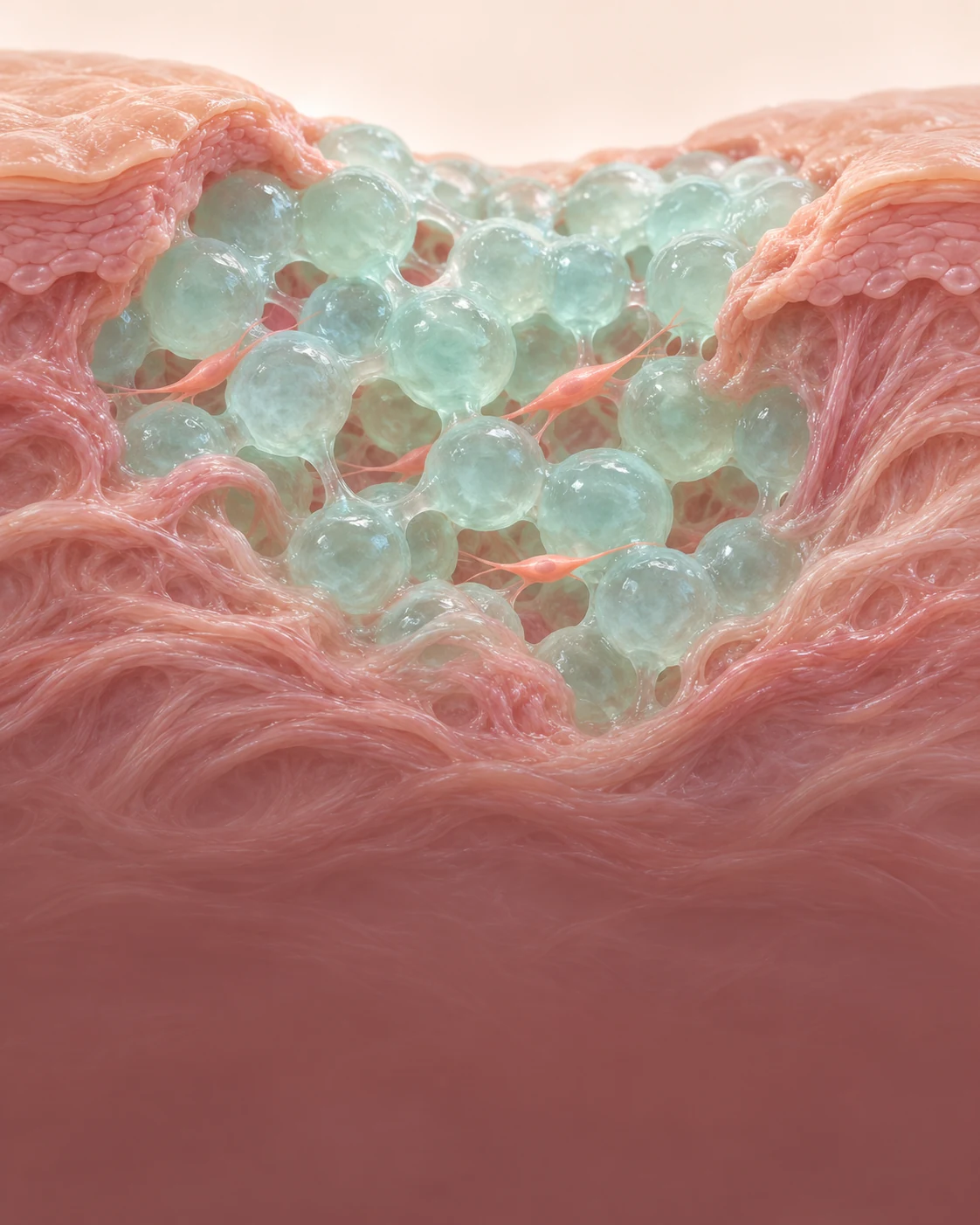
MAP™ is a fully synthetic, flowable, porous biomaterial. It is designed to support cell infiltration, vascularization and new tissue formation, and is gradually replaced by the patient's own tissue.
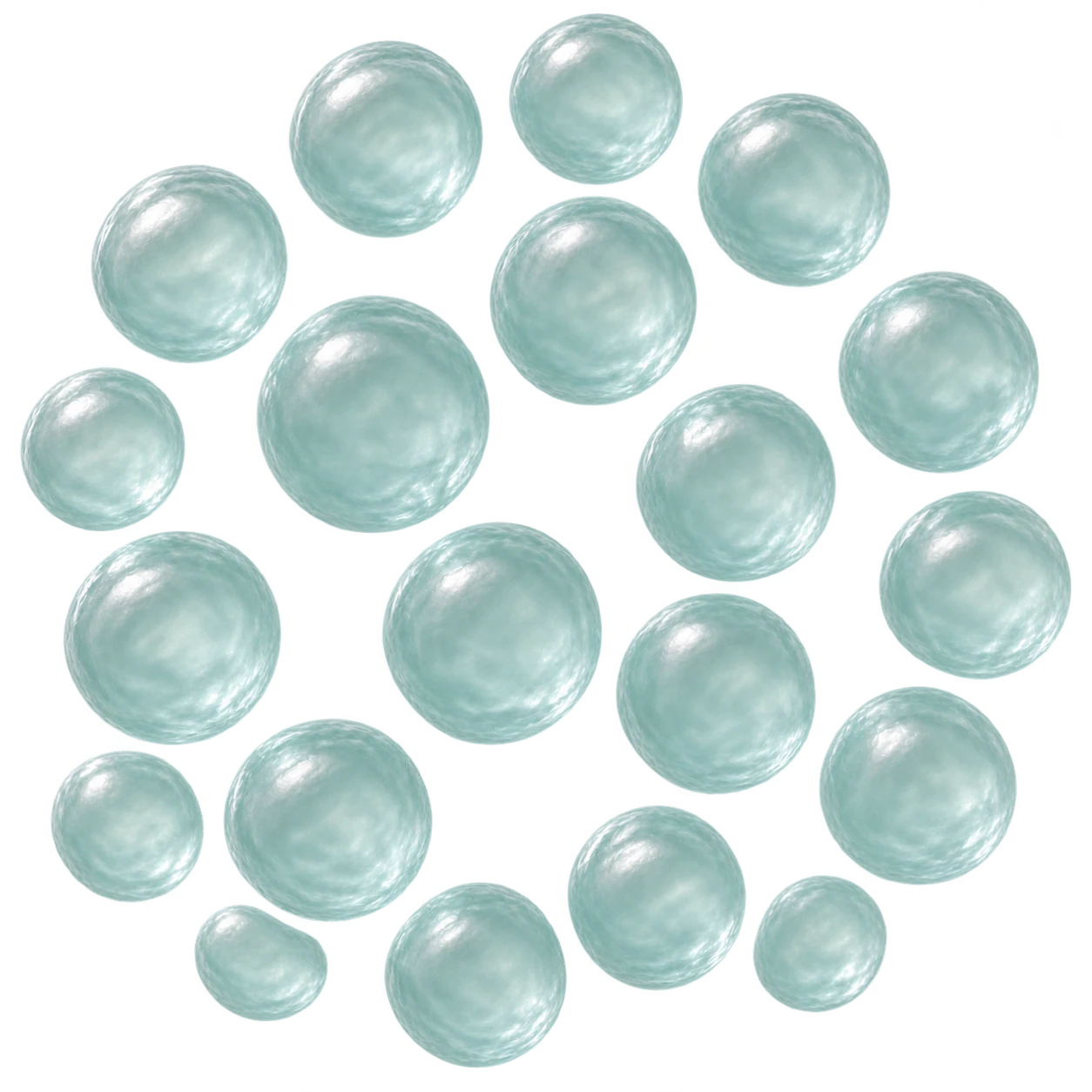
Separate flowable hydrogel microparticles

Flowable microparticles can conform to irregular wound spaces.

Series A led by J&J Innovation – JJDCNIH / NCI SBIR awardNature Materials 2015 · 1,500+ citations23 issued patentsDe Novo submitted to FDA
01 · The problem

Complex wounds take months to heal.

After surgery or debridement, surgeons rely on sheet-based matrices and staged repair before a graft or closure. MAP™ is a flowable scaffold that fills the whole defect.

>200days of recovery, typical for complex wounds
25%typical complication rate
300kcomplex cases with exposed bone each year
“The ability to regenerate tissue throughout the volume of a complex wound, rather than simply promoting healing from the margins, could fundamentally change the way difficult wounds are treated.”Westbrook Weaver, PhD · Co-Founder and CTO
02 · Platform

Microporous Annealed Particle.

Flowable microparticles link together in the wound into a stable scaffold with open pores, so cells can move in immediately. Explore the platform →
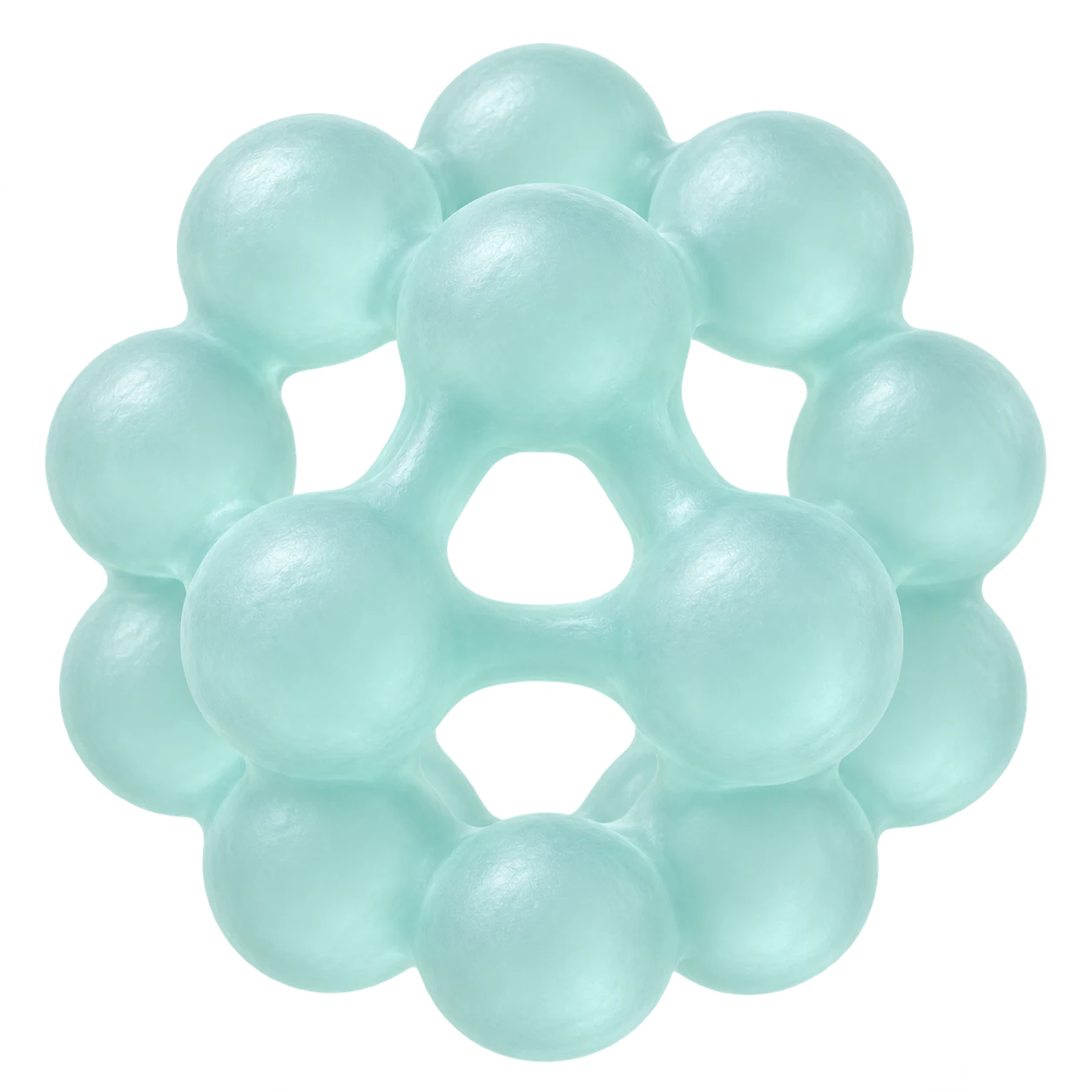
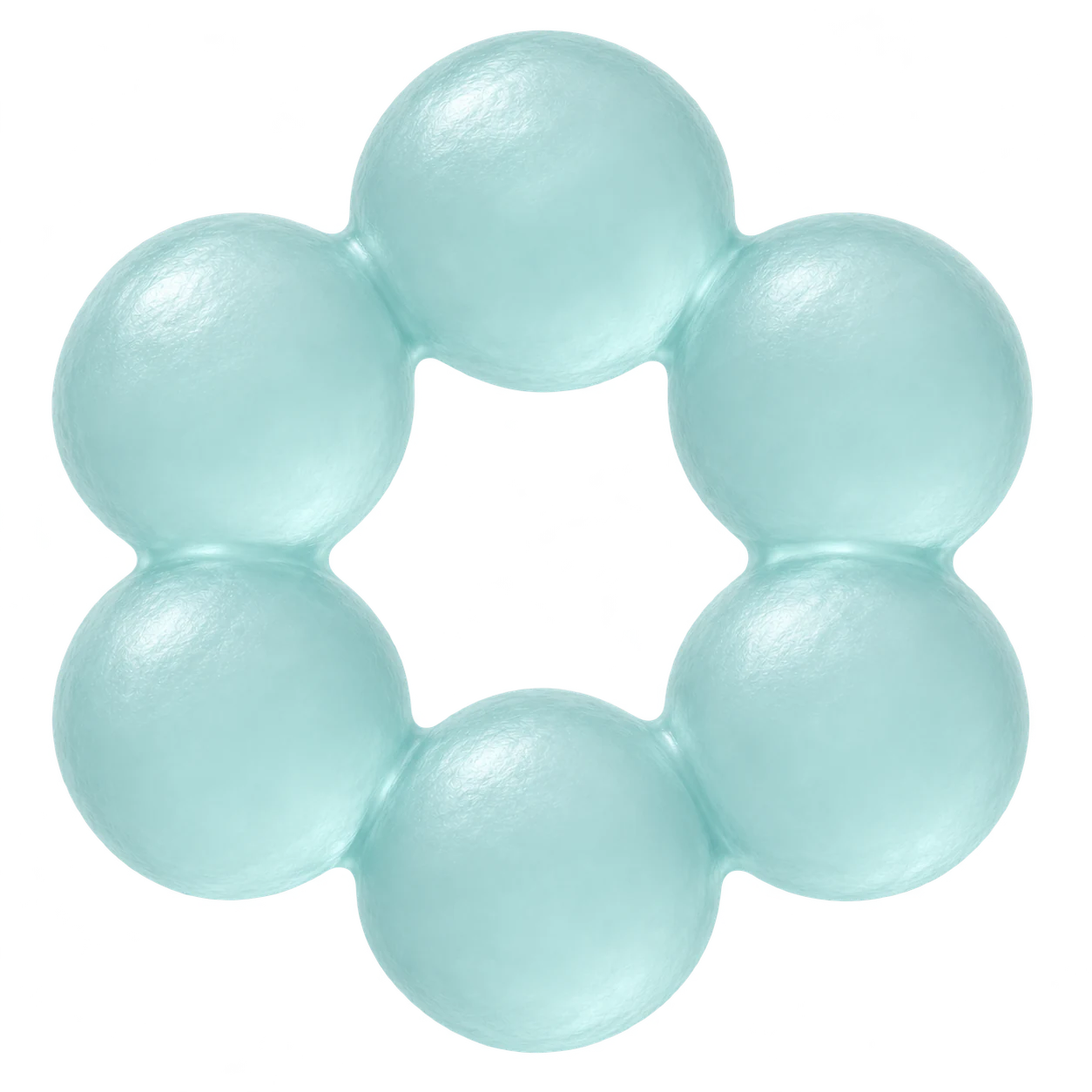
Open connected interparticle pores between linked hydrogel building blocks
Open interparticle pores

Microporous

Open, connected pores give cells immediate access.
Hydrogel particles linked at their points of contact
Connected building blocks

Annealed

Particles link together and lock porosity into the tissue.
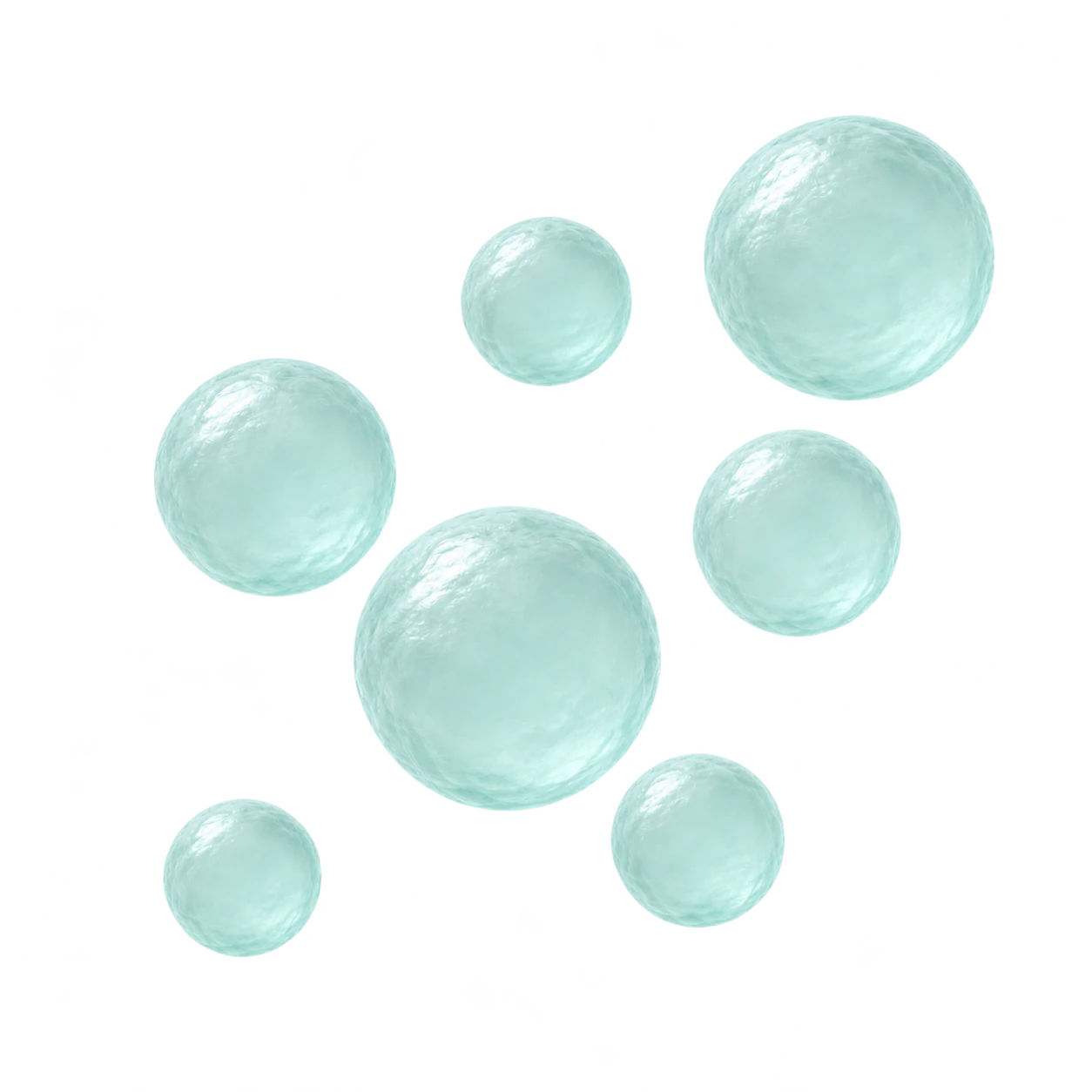
Separate cell-free flowable hydrogel microparticles
Flowable microgels

Particle

Flowable microparticles conform to irregular spaces.

03 · Programs

One platform, multiple applications

Surgical reconstruction and wound healing first, with regenerative aesthetics in development. View programs →

Conceptual volumetric hydrogel scaffold in a tissue defectSurgical reconstruction

From flat sheets to flowable 3D.

TT101 has been submitted to the FDA through the De Novo pathway for surgical wound repair.
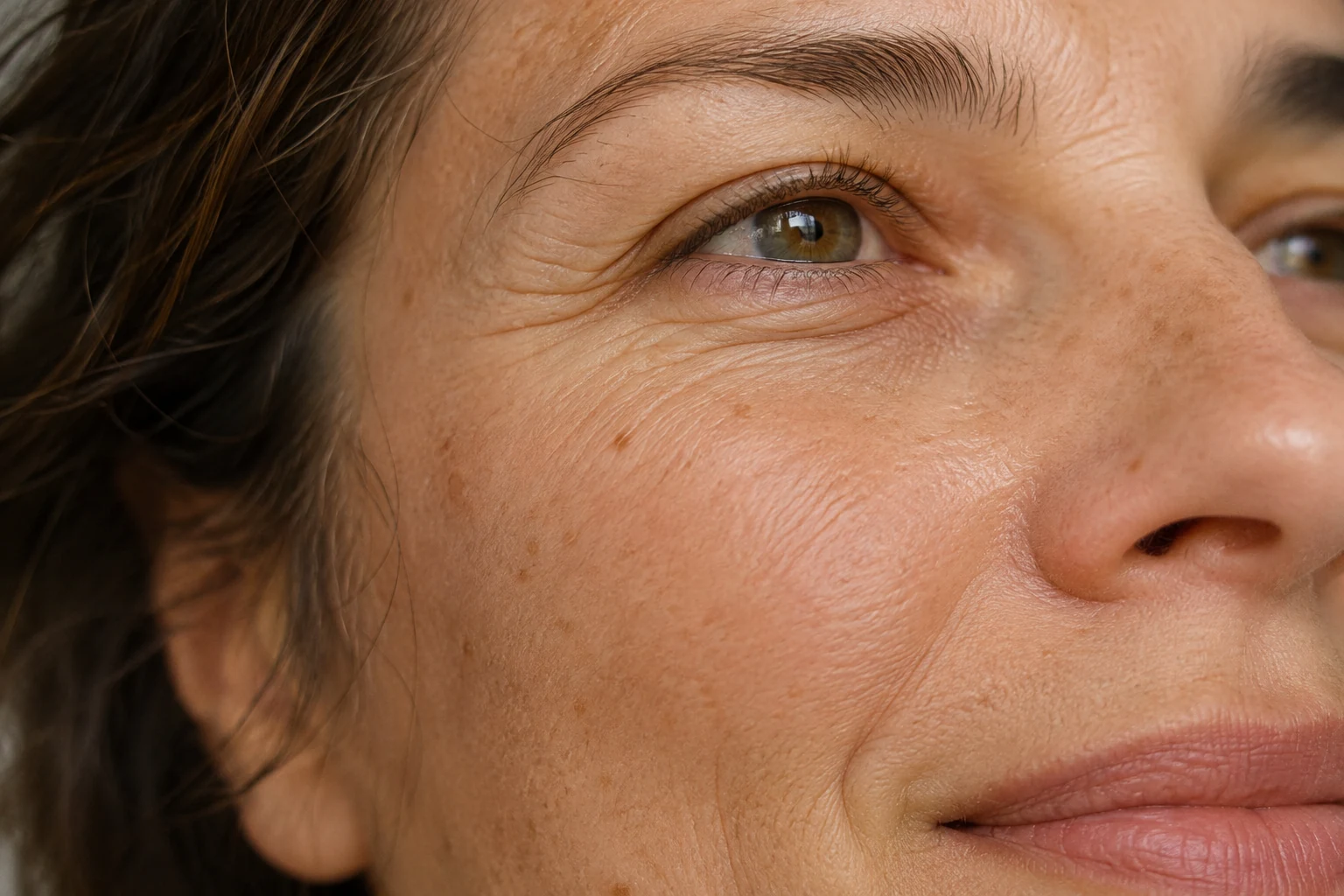
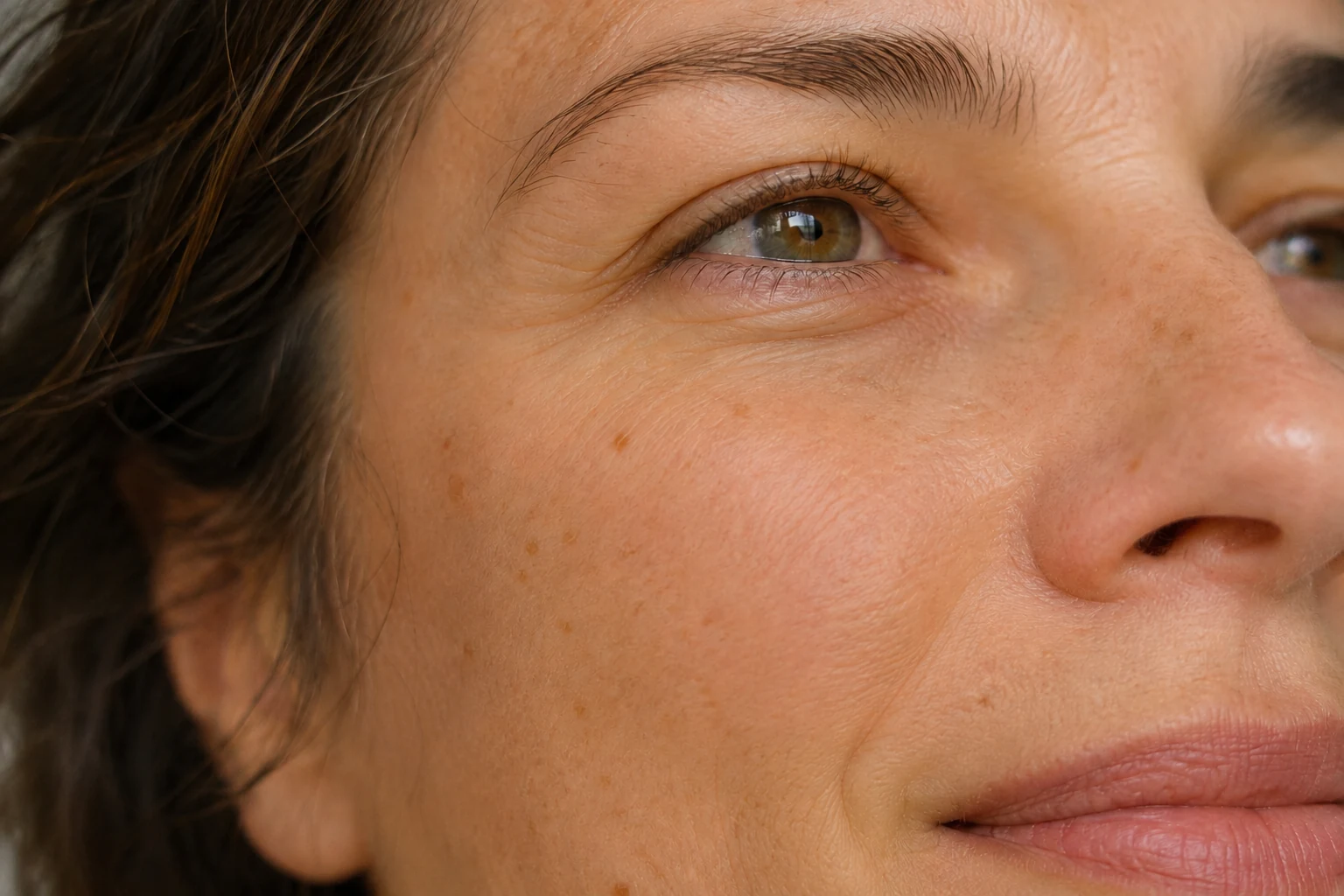
Illustrative before view of natural facial skin
Illustrative after view of the same facial skin with subtly softened fine lines

Drag to compare

Regenerative aesthetics

Advancing regenerative aesthetics

Tempo is exploring aesthetic applications through MAP™ formulation variants focused on tissue quality and regenerative outcomes.

04 · Evidence · MOSAIC I

Results in people, after skin cancer surgery.

A randomized study of MAP™ against standard hydrocolloid care in full-thickness wounds after Mohs surgery. See the full study →

  • 40patients
  • Randomizedcontrolled
  • Mohsskin cancer surgery
  • Safetyprimary endpoint met
  1. Day 0

    Surgery and MAP™ applied

  2. Healing
    14days earlier

    to a favorable wound bed score

  3. Follow-up
    6months

    improved physician-assessed scar quality

05 · Pipeline

Six MAP™-based programs.

From formulation to regulatory review. Pipeline and milestones →

Surgical reconstructionRegenerative aestheticsFuture platform programBar length shows the furthest stage reached
ProgramIndication
FormulationPreclinicalClin. safetyClin. efficacyMarketing
Status
TT101Derm surgerySurgical
De Novo submitted
TT108Complex skin reconstructionSurgical
Clinic-ready
TT102Fine line wrinklesAesthetics
Clinical safety
TT113Deep contouringAesthetics
Preclinical
TT402Plastic & reconstructionAesthetics
Preclinical
TT501Growth factor accelerationFuture
Early preclinical
06 · Company

Founded by the inventors of MAP™.

Led by cofounders Westbrook Weaver, PhD and Donald Griffin, PhD. Meet the team →

Research & industry collaborators

Funding
  • $14.5MSeptember 2026
  • $12MMarch 2024
Research support
  • ~$2.25MNIH / National Cancer Institute SBIR award for MOSAIC II
  • ~$5.5MAdditional NIH & NSF grant funding received since 2017
  • MedTech Innovator2025 Accelerator Cohort
Intellectual property
  • 23 issued patentsAcross 7 patent families
  • Nature Materials, 2015Founding MAP™ paper, cited 1,500+ times